 Here we are at the end of august! Back to school is just around the corner, yet again. The summer fun is winding down and classrooms, classmates and homework are all about to take over. Of course, this year looks slightly different than some of the years prior, with the ongoing unknowns of the pandemic. Regardless, back to school means back to germs and the beginning of cold and flu season. Pandemic measures in place did keep the flu at an unusually low level during the 2020-2021 flu season compared to previous years (CDC, 2021). But that is not to say that Influenza didn’t still exist! Below you will find some tried and true ways to support your child’s immune system through the upcoming return to school.
Remember to always strive for progress, not perfection, and if you need support, we are here for you. To book an appointment call 416-639-2459 and book in under Dr. Solomonian, one of our lovely team members will be happy to help you and your family! Centers for Disease Control and Prevention. (2021, July 23). Flu season. Centers for Disease Control and Prevention. https://www.cdc.gov/flu/season/index.html.
0 Comments
 Movement - but not the kind of we usually talk about.
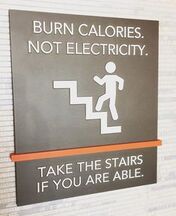
Movement is a foundational pillar of health that is almost always discussed as part of a healthy lifestyle. When we say the word “movement”, what do you think about? When asked to describe movement, the answer usually revolves around INTENTIONAL movement (i.e. a run, a bootcamp class or a yoga practice) for the purpose of living and maintaining a healthy lifestyle. But what about the activities of daily living and how they can influence our health? What benefits do these not-so “micro” movements have on our bodies? ⠀⠀⠀⠀⠀⠀⠀⠀⠀ This is where N.E.A.T comes into play (non-exercise activity thermogenesis). N.E.A.T refers to our bodies’ function of expending and burning energy in all of the little movements that we never really consider, especially pre-pandemic. It’s the energy expended for everything we do that is not sleeping, eating or sports-like exercise. This includes activities such as walking to work, typing, performing yard work, and other daily step count contributions. This is also the type of movement that has had the most dramatic loss during the pandemic. I know at least for myself, my step count decreased by over 50% during the initial phases of the pandemic. We have become more sedentary and our lifestyles took a dramatic shift. ⠀⠀⠀⠀⠀⠀⠀⠀⠀ Curiosity about the impact of step counting lead to discovering research which demonstrated how even increasing your step count by 1000 steps per day can have a significant impact on decreasing overall mortality, regardless of the intensity1. That's basically a walk around the block every morning. The purpose of this conversation is not to micromanage every step of your movement, but to have an awareness on how little changes can positively impact your wellbeing. Everything right now is basically sedentary and at our finger tips, so we need to involve our activities of daily living into the movement conversation. A few ways and ideas of how to increase movement are:
These are just a few suggestions and can modified depending on personal preferences and activity levels. These small-scale changes can lead to big scale impact in the long term. When it comes to setting movement goals, anything above baseline is a positive outcome! SMART goals are a great way to start making small but positive changes to create long-term habits. Here’s the framework to get started: S - specific M - measureable A - attainable R - realistic T - timely ⠀⠀⠀⠀⠀⠀⠀⠀⠀ Here are some reflection questions for you: ~ During the pandemic, what caused your activity to shift the most? ~ What is one sedentary hour that you can change? ~ Try making a SMART goal for yourself ⠀⠀⠀⠀⠀⠀⠀⠀⠀ We are creatures of habit, but I know time can be a barrier. So let's show up for ourselves like we show up for others. References: Hall KS, Hyde ET, Bassett DR, et al. Systematic review of the prospective association of daily step counts with risk of mortality, cardiovascular disease, and dysglycemia. Int J Behav Nutr Phys Act. 2020;17(1):78. Published 2020 Jun 20. doi:10.1186/s12966-020-00978-9 |
AuthorThe official blog of our fabulous Tuesday night clinic group at the Robert Schad Naturopathic Clinic. Come pay us a visit! Archives
August 2021
Categories |
 RSS Feed
Photos from marcoverch, Paxson Woelber, RichardBH, robinmcnicoll, VisitLakeland, Dominique Levesque, Laurel Fan, adrigu
